PATRICIA ERIMESCU
My work merges architecture, sculpture and environmental research to explore themes of loss, displacement and transformation.


I was born by the river.Beneath its waters lies a land I’ve never seen, and never will—but it calls me, as if absence, too, has roots.


1 city. 1 island. 15 villages. 14,533 inhabitants. 88,000 sqm of public buildings. Over 5,600 agricultural plots. 102 km of roads, 27 km of railway.


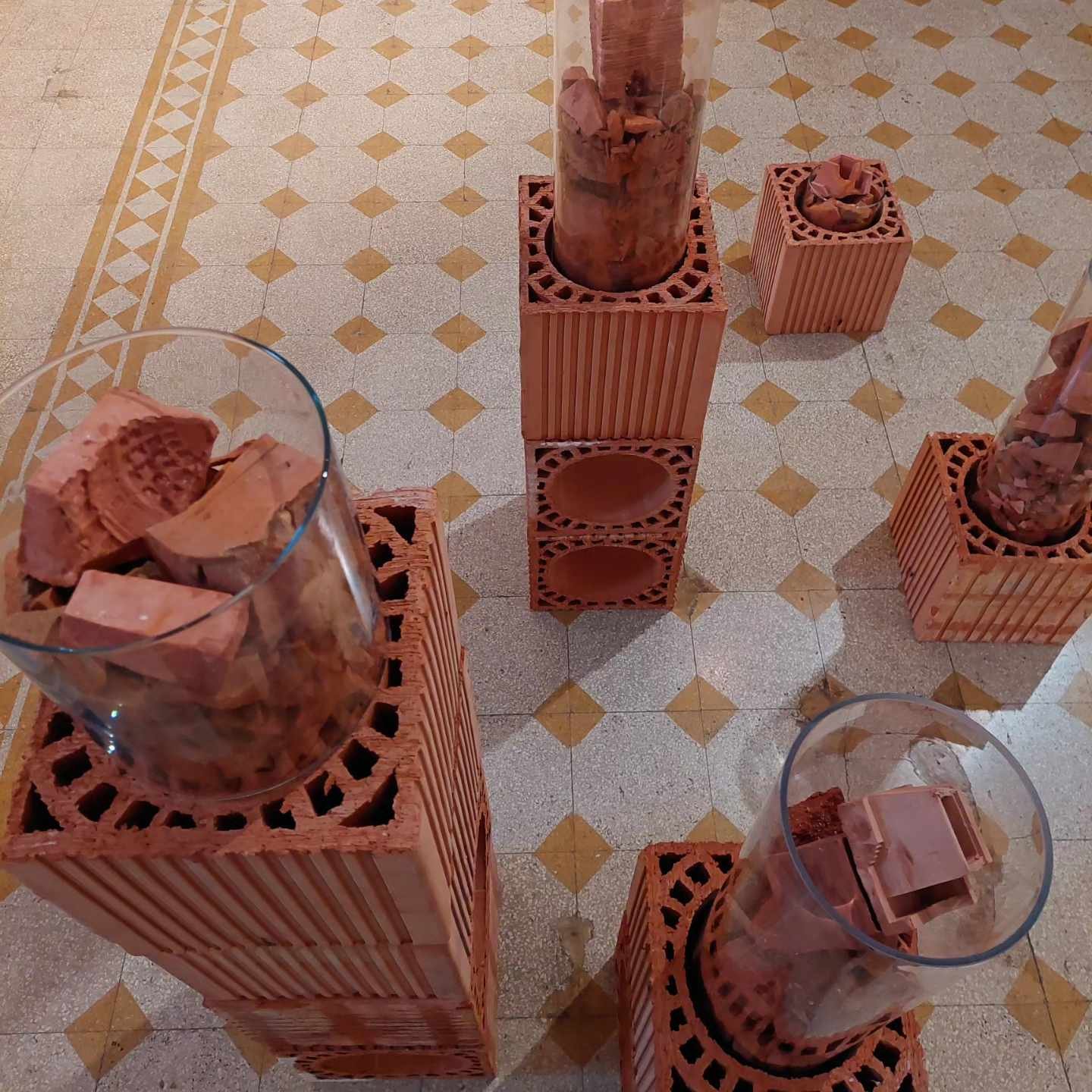
The micro-architecture were cast from a mixture of brick dust and plaster, housed in glass cylinders that evoke preservation and fragility.
Materials, collected from Danube banks, carry the imprint of human intervention on the landscape and invite a dialogue about our responsibility to care for aquatic ecosystems.


Marco’s dreams
Along the banks of the Danube, ancestral brick homes—embodiments of collective memory—are being discarded in the name of modernity, replaced by materials that promise progress but often deliver only fragility, environmental cost, and a disconnection from place and history.
Exposed @
Rome, Italy
2024


Collaboration and community are essential to my process, guiding sustainable practices that foster healing and awareness.
Collaboration and community are essential to my process, guiding sustainable practices that foster healing and awareness.

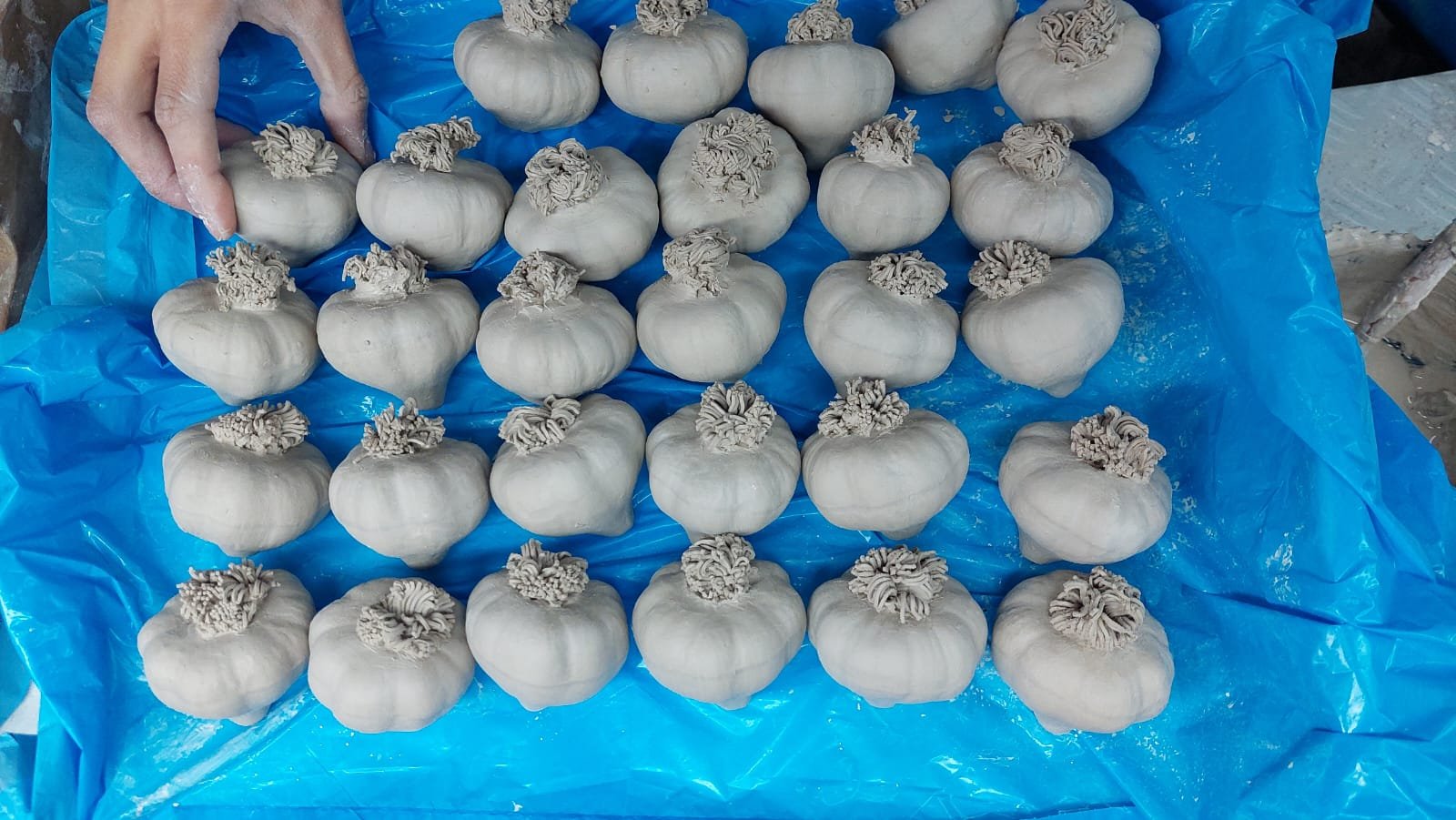
This tactile ceramic map is designed specifically for blind and visually impaired individuals, offering a sensory introduction to spatial environments through form, texture, and contour. By translating architectural and topographic information into a navigable surface, the piece enables users to mentally familiarize themselves with a space before physically experiencing it—transforming orientation into an act of touch-based discovery and empowerment.

Njoro children’s library
Empowering education through a community-built library
Mailisita l Mount Kilimanjaro l 2015

community-built
Designed to reflect Tanzanian cultural identity
The library provides essential access to books in a region where most children have none at home— supporting literacy, education, and long-term community development through direct involvement and ownership.
Published on:

Off-grid


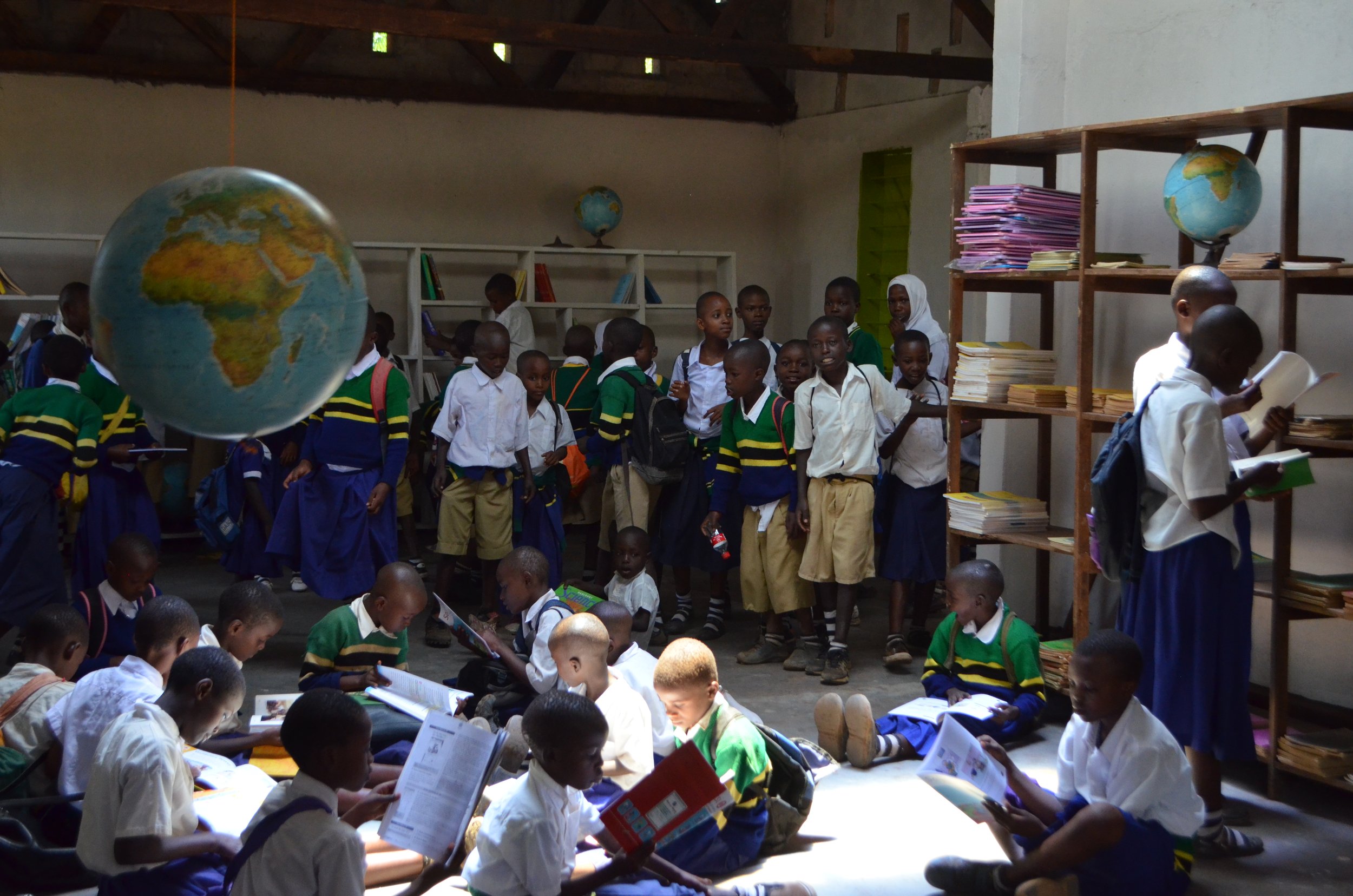
Located in a remote area without access to grid electricity, the Njoro Children’s Library serves 408 pupils from Njoro Primary School and children from three neighboring schools. The project was built through a participatory process involving over 60 local and international volunteers.
Alongside designing the library, I developed an inclusive process to foster a strong sense of ownership, ensuring the community feels connected to the space and motivated to maintain it long-term.
No matter how small a project may be, it holds the power to shift our perspectives and transform the way we think and act.
NJORO
Children’s Library
Ephemeral bloom
Exploring the metabolism of color and crystallization
Salt, Dunaliella salina l 2025 l Torrevieja, Spain
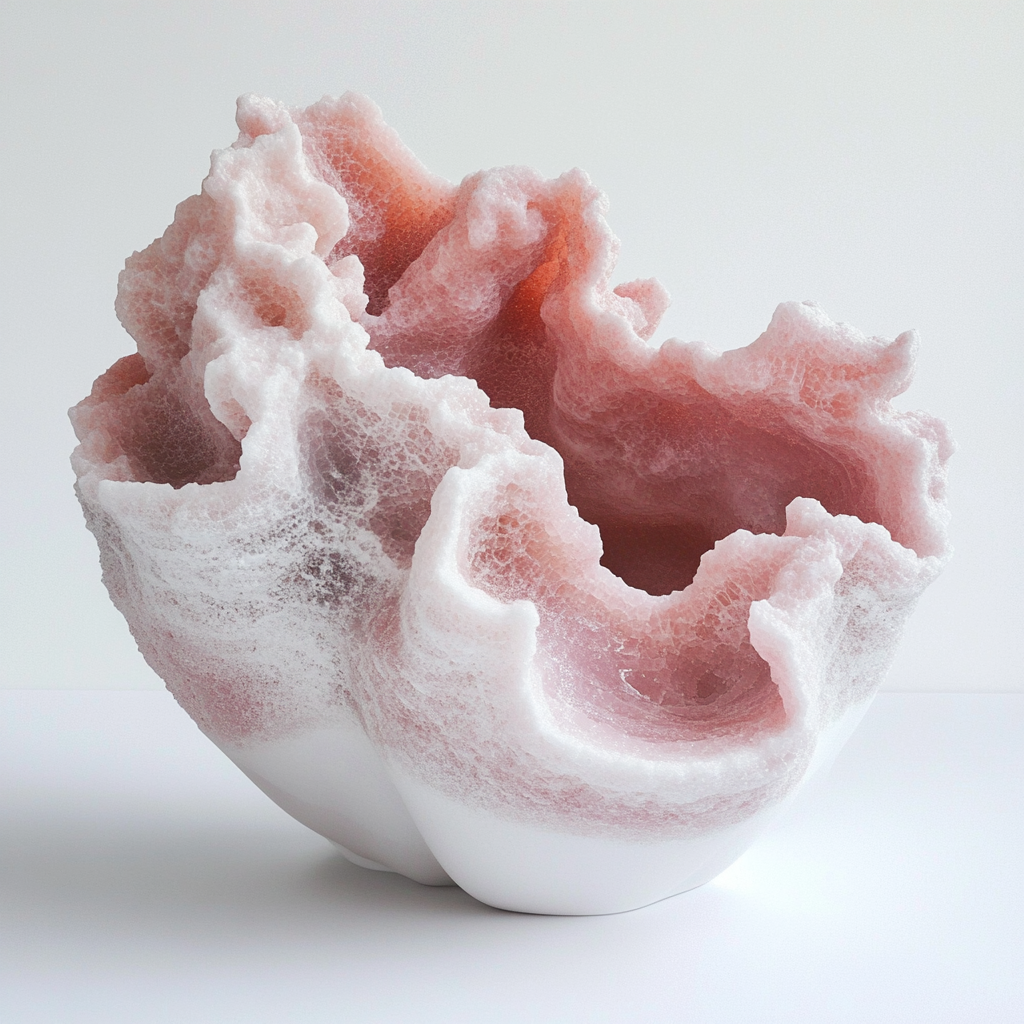
Dunaliella forms the base of the food web in saline ecosystems, providing nourishment for microorganisms and small invertebrates and it contributes to oxygen production and carbon dioxide absorption.
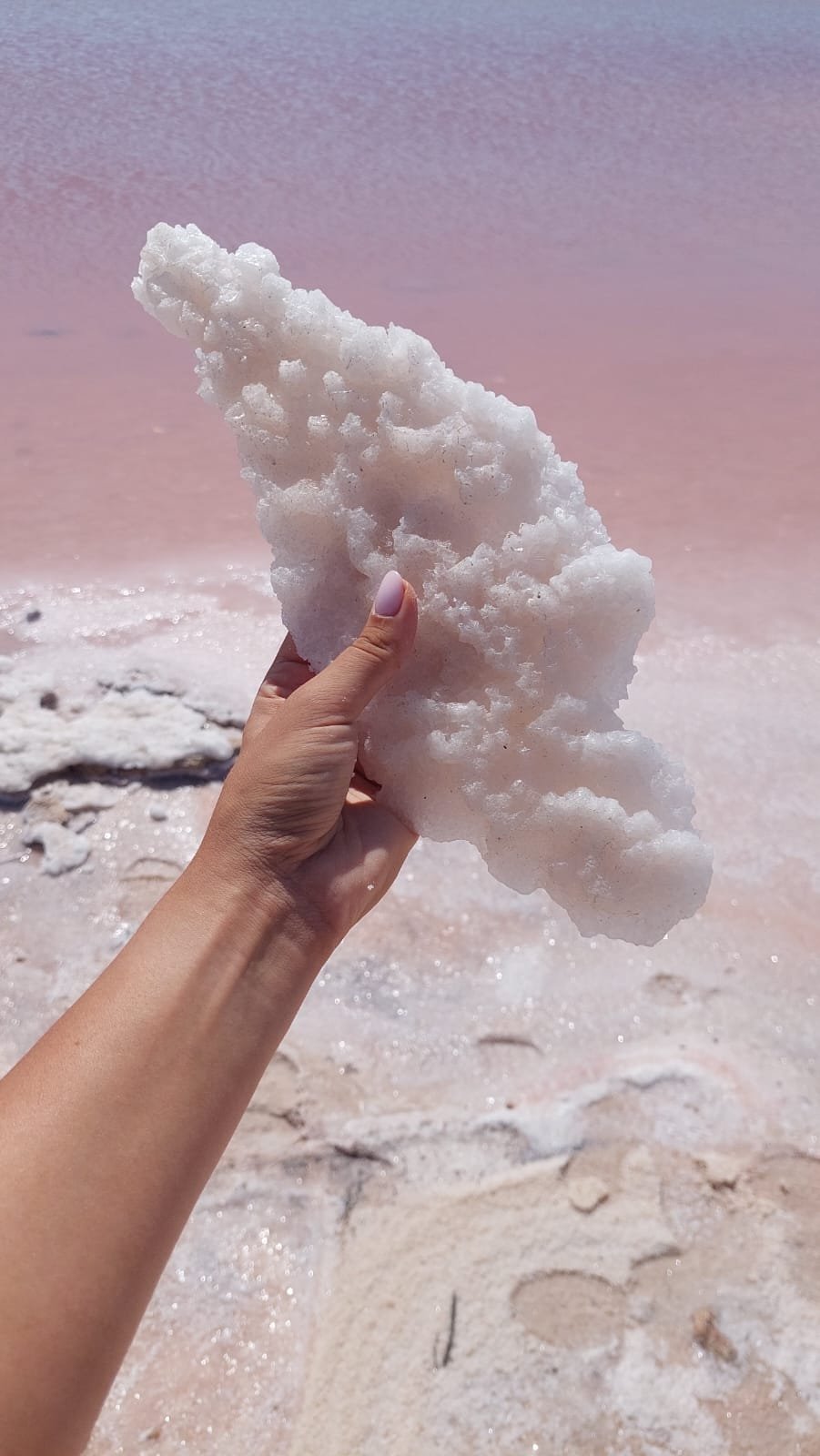

The form was cultivated over five months within a specially mold, allowing natural processes to unfold slowly and with intention. This controlled environment provided the conditions for salt to crystallize and pigment to accumulate, shaping the object organically over time.
Ephemeral Bloom is a living sculpture that transforms salt and Dunaliella salina, a pink microalga from the salt lagoons of Torrevieja, into an organic shape. Thriving in extreme salinity, Dunaliella produces vibrant beta-carotene as a survival response, coloring entire landscapes with its radiant hue.


CeraMesh
3D printed ceramics
Porcelain, glass l 2025 l Valencia, Spain

3D-printed ceramic pieces unfold like textured fabric—delicate yet marked by intentional imperfection—where the rhythm of digital layering meets the irregularity of material memory.
Mediums
-
My practice is rooted in a deep, evolving relationship with earth—as material, metaphor, and method. Ceramics is not merely a craft for me, but a way of thinking and building. I work across scales and disciplines, from architecture to sculpture, using clay in its many states—from fired stoneware to raw earth, from modular bricks to monolithic rammed-earth forms.
I am drawn to the tactile intelligence of ceramics: how it remembers pressure, records time, and embodies transformation through fire. In architectural contexts, I explore ceramics as both structure and surface—brick, tile, and rammed earth become tools for spatial storytelling. In sculpture and object-making, I engage with the intimacy of form and texture, using clay’s responsiveness to convey emotion, tension, and gesture.
Whether working with high-fired stoneware or experimenting with unfired earth, I approach ceramics as an ecological and communal medium—one that holds memory, carries tradition, and invites collaboration. This material connects the ancestral with the contemporary, the elemental with the conceptual, offering an enduring platform for exploration and dialogue.
-
Water is central to my practice—both as a physical material and as a carrier of memory, community, and transformation. My ongoing engagement with the Danube focuses on the river not only as a natural body but as a living archive shaped by the people who inhabit its banks. Through fieldwork and participatory projects, I explore how water sustains, erodes, and connects—serving as both boundary and bridge across cultural and ecological histories.
Salt, as water’s crystallized trace, enters my work as a poetic material. My early experiments in saline environments like Torrevieja informed my approach, investigate salt as a product of time, care, and collective knowledge. Here, water becomes a medium of reciprocity—linking material processes with social practices rooted in place.
-
My practice is grounded in the ethical and creative reuse of materials. I source components from the overlooked margins—offcuts from furniture workshops, discarded fragments from construction sites, and detritus gathered along the banks of the Danube. These materials carry their own histories, textures, and narratives, which I integrate into new architectural and artistic forms.
Rather than treating recycling as a constraint, I view it as an opportunity for intelligent design—an exercise in resource optimization and adaptive thinking. Each project begins with what already exists, embracing imperfection, scarcity, and transformation as design principles. Through this approach, I aim to challenge linear modes of production and propose alternative material economies rooted in care, locality, and resilience.
Water has been my greatest teacher. The way it shapes intricate architectures—deltas, erosion patterns, and sediment layers—reveals the profound intelligence of natural systems. These formations offer essential lessons and models for sustainable design, environmental resilience, and ecological awareness.


Ceramic craft
From 3D-printed ceramics and industrial production techniques to traditional craft methodologies, my passion for clay has cultivated a comprehensive and multifaceted expertise in ceramic practice